現場安全問題診斷
EMS 搬運與車廂作業風險盤點
協助單位把反覆發生、平常難以說清楚的搬運傷害、車內照護、器材固定、病人固定與團隊作業風險整理成可討論的問題清單。
查看相關案例 →把第一線 EMS 現場中難以命名的安全問題,轉成可驗證、可訓練、可改善的工作方法——涵蓋搬運人因、救護車與車廂安全、現場工具與 EMS 場景驗證,並對接醫療器材人因/可用性所需的真實使用環境。 Turning hard-to-name frontline EMS problems into verifiable, trainable methods — patient handling, ambulance & compartment safety, human factors, and EMS field scenario validation: the real-world EMS use environment that medical-device human factors / usability work (IEC 62366) depends on.

救護車車廂、搬運人因、行車辨識、現場工具、訓練檢核與院前流程,會在同一趟勤務裡互相影響。真正的安全改善,要把這些現場限制放回同一個工作系統裡看。
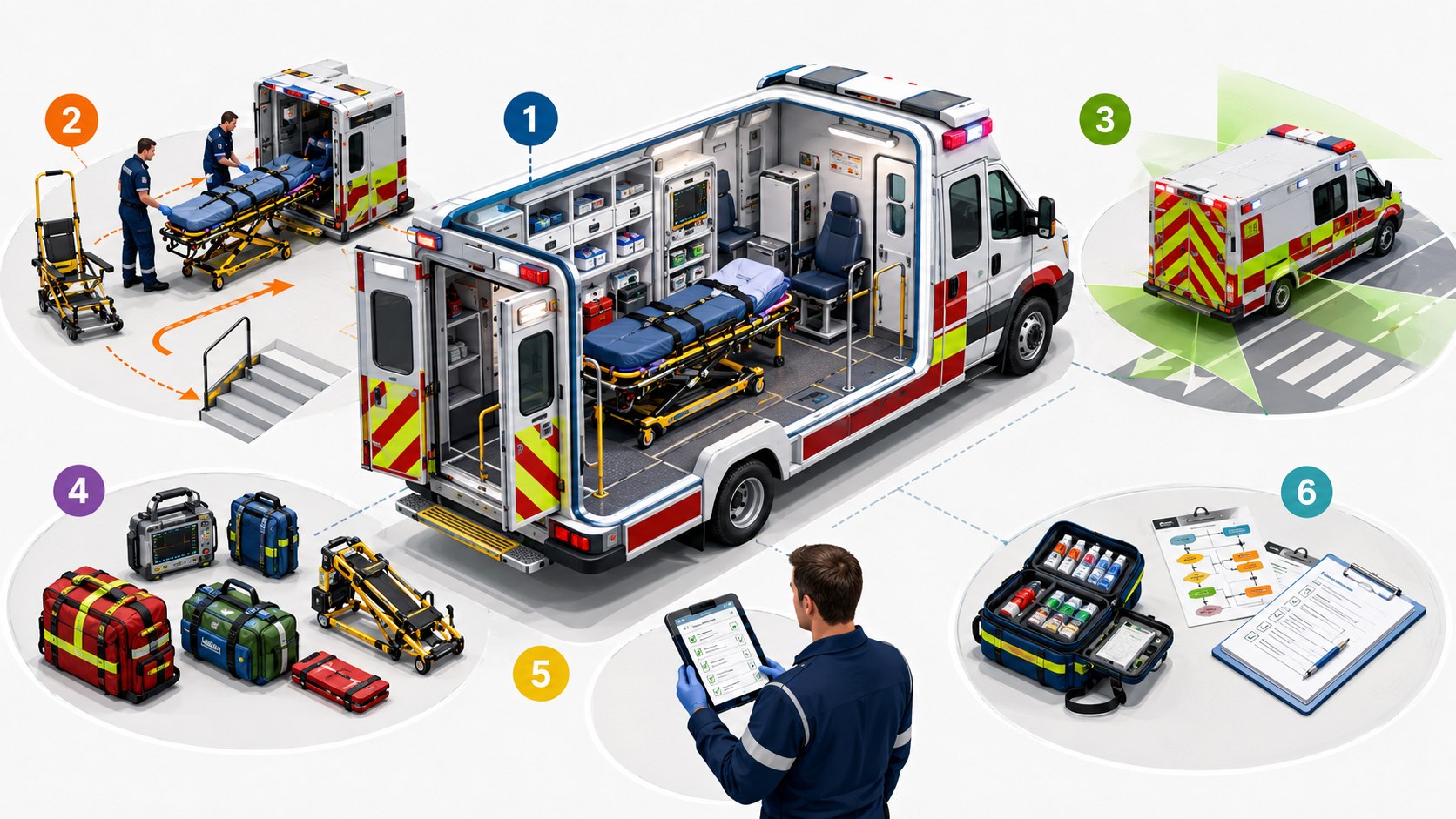
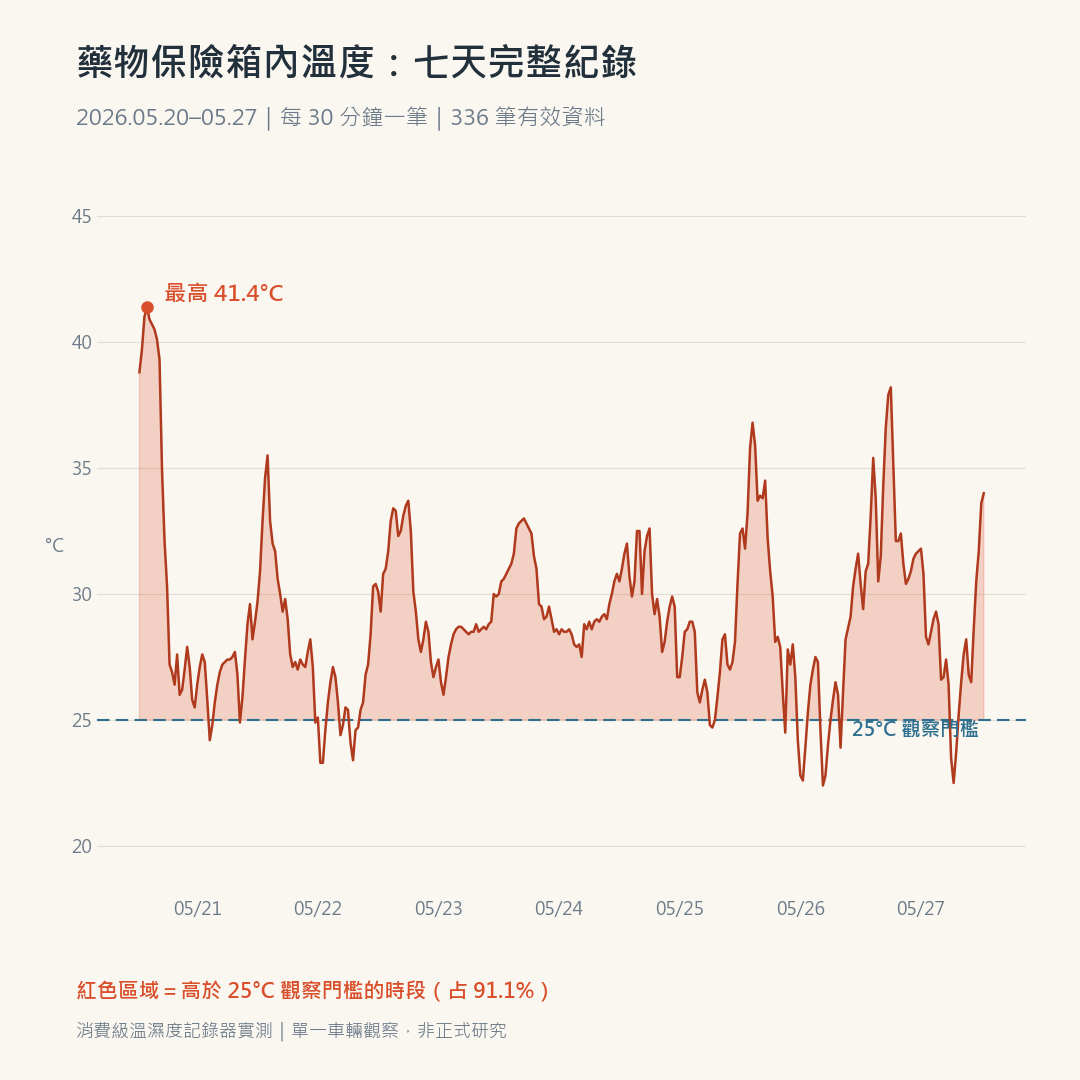
救護車車廂、搬運安全、行車辨識、院前用藥安全、訓練檢核與院前流程,都已有公開文章或案例可延伸閱讀。
EMS 職業安全、搬運安全、車廂安全、訓練檢核與第一線工具落地,常常不是單一課程或單一設備能解決,而需要先把現場問題說清楚。以下是我長期觀察、研究與整理的三類問題。
這類問題常見於正在面對搬運腰傷、車廂作業、器材固定、病人固定、訓練落差或高負荷照護流程的消防、EMS、醫療與長照團隊。
看相關案例 →這類問題常見於需要能力指標、師徒制交接、教材轉譯、現場檢核表或安全工具的單位。重點不是辦完一堂課,而是讓訓練真的能被執行、留下紀錄並持續改善。
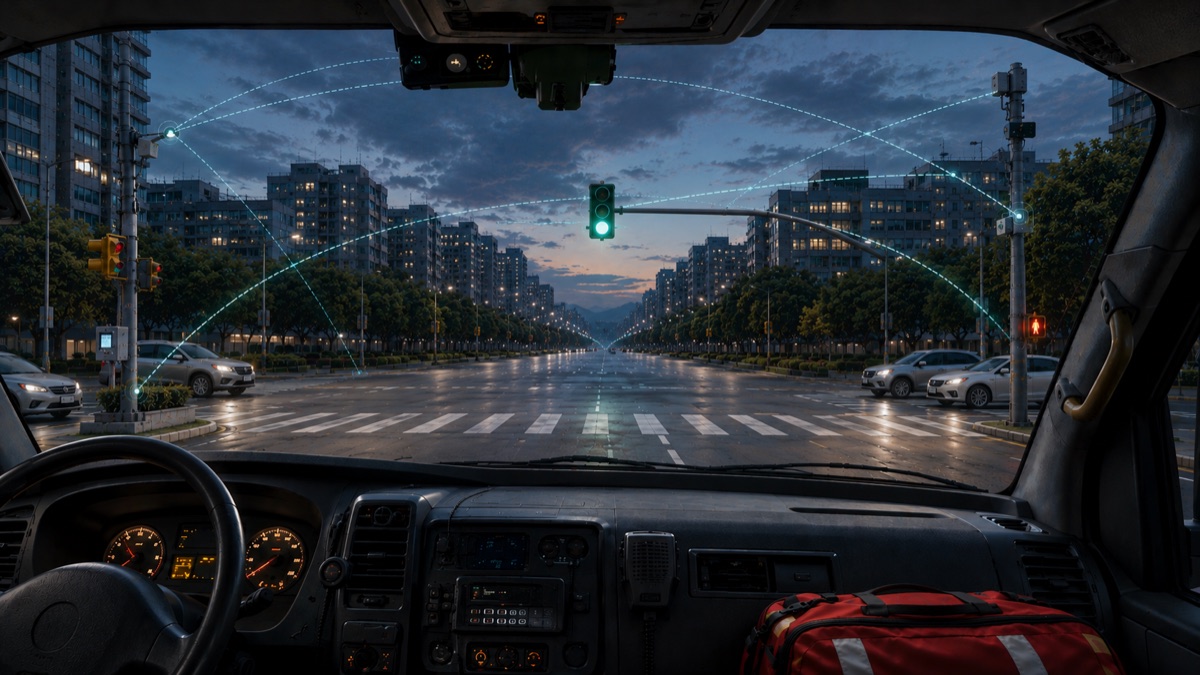
看代表案例 →涉及救護車車艙、搬運設備、mCPR 搬運、V2X、病人固定、院前設備、職安研究與人因工程。我的工作是把技術假設轉成 EMS 現場能理解、能測試、能改善的問題。
了解問題定義 →
我長期在消防與院前救護第一線工作,也參與救護教育、教材編撰與 EMS 職業安全相關研究。我的核心關注不是單一技術,而是第一線人員如何在高壓、輪班、照護負荷與資源有限的環境中,被更安全、更一致地訓練與支持。
目前的工作重點包括搬運傷害預防、高負荷照護與救護職業安全教育、新進人員能力檢核系統,以及把研究、國際觀察與現場經驗轉譯成可執行的訓練工具。
研究方向:關注真實 EMS 現場病患搬運的姿勢風險,以及勤務影像回顧與 REBA 在現場人因評估中的應用條件。目前仍處於研究倫理與方法準備階段,尚未進入正式研究執行。長期方向:退休後以「真實 EMS 現場的醫療器材人因/可用性驗證」為主要實務與研究領域——補足實驗室難以重現的現場使用情境,對接 IEC 62366/FDA 人因評估所要求的真實世界條件。
本站為個人專業知識與研究整理,不代表任職機關;在職期間不收取廠商顧問費、不替產品背書、不撰寫採購規格、不使用未公開公務資料,所有案例以公開資料與個人研究為限。
A concise English profile for international partners, vendors, researchers, and EMS safety collaborators.
Chung Chia Chang is a Taiwan-based EMS safety researcher and educator working from a fire-based EMS context, focused on EMS safety, patient handling injury prevention, high-load care safety, human factors, and practical frontline implementation.
His work translates frontline EMS experience, healthcare ergonomics, international patient handling practices, and research evidence into trainable workflows, competency assessment tools, and safer care processes for emergency, long-term care, institutional care, and high-load work environments.
第一線實務與教育設計的脈絡。
以 EMS 職業安全為起點,延伸到病患安全搬運、搬運傷害預防、教育設計與數位工具的代表工作。


給承辦人、訓練單位、研究者、醫療機構與設備團隊快速判斷。講課、工作坊、教材、檢核表或顧問討論只是不同交付形式;核心是把現場安全問題轉成可訓練、可檢核、可改善的系統。
協助單位把反覆發生、平常難以說清楚的搬運傷害、車內照護、器材固定、病人固定與團隊作業風險整理成可討論的問題清單。
查看相關案例 →把現場經驗拆成能力指標、觀察項目、回饋紀錄與管理提醒,讓新進訓練、複訓或高風險訓練不只靠學長印象。
查看相關案例 →針對 EMS、長照與機構照護中的床椅移位、樓梯搬運、狹小空間、輔具使用與團隊分工,設計可落地的訓練與改善流程。
查看相關案例 →協助設備商、研究者或單位從第一線勤務情境檢查產品、流程與安全假設,包含車艙作業、病人固定、搬運設備、mCPR 與 V2X 場景。
查看相關案例 →協助把職業安全、人因工程、病人安全、救護程序或設備使用邏輯,轉成教材、檢核表、操作提醒、案例頁或工作坊流程。
查看相關案例 →具消防署服勤人員訓練講師名單資料庫登錄資格,核可訓練項目為「基礎救護」。若課程需採認積分或核發證書,須由合格開課單位依主管機關規定申請。
把代表專案背後的授課、研究與第一線經驗整理成可回頭討論的文字。查看文章與主題地圖


研究合作、專業文章、媒體報導與受邀演講紀錄。
常見問題聚焦 EMS 職業安全、救護搬運、人因工程、保背計畫與訓練合作方向。
張鐘嘉是台灣消防與院前救護工作者,具高級救護技術員與救護教官背景,長期關注 EMS 職業安全、搬運傷害預防、人因工程與救護教育設計。
Chung Chia Chang is a Taiwan-based EMS provider and educator focused on EMS safety, patient handling injury prevention, human factors, and frontline training system design.
EMS 職業安全是指降低救護人員在出勤、駕駛、搬運、車內照護、感染暴露、暴力風險與高壓決策中的傷害與失誤,並把第一線經驗、研究證據與訓練流程轉化為更安全的工作系統。
EMS occupational safety addresses risks in prehospital response, transport, patient handling, care delivery, exposure, violence, and high-pressure decision-making by turning frontline experience and evidence into safer systems.
救護搬運不只是體力問題,還涉及現場環境、病人狀態、樓梯與狹窄空間、團隊溝通、器材選擇、姿勢策略與任務分工。若只要求人員出力,容易忽略可被設計與訓練改善的系統風險。
Patient handling is not only a strength issue. It also depends on environment, patient condition, stairs, confined spaces, teamwork, equipment, posture strategy, and task design.
保背計畫把搬運傷害預防轉化為可訓練流程,包含風險評估、團隊溝通、姿勢策略、輔具使用、情境演練與現場回饋,協助第一線人員用更安全的方式完成救護與照護搬運。
The back-protection program translates handling injury prevention into trainable workflows: risk assessment, team communication, positioning strategies, assistive devices, scenario practice, and field feedback.
新進人員能力檢核系統適合需要追蹤師徒觀察、訓練標準、能力確認與管理提醒的消防、EMS、特搜、救援與其他高風險訓練單位。
The competency assessment system is designed for fire service, EMS, special rescue, and other high-risk training units that need visible standards, observations, feedback, and readiness tracking.
可合作方向包含 EMS 現場安全問題診斷、搬運傷害預防、救護車與車廂安全、訓練與能力檢核系統設計、教材與流程轉譯,以及 EMS 產品、政策或研究的第一線場景驗證。講課或工作坊只是交付形式之一,重點是把現場問題整理成可訓練、可檢核、可改善的系統。
Collaboration can include EMS safety problem diagnosis, patient handling injury prevention, ambulance and compartment safety, competency assessment system design, training workflow translation, and frontline scenario validation for EMS products, policy, or research.