看見「看不見」的訓練
Seeing the Invisible Part of Training
一場能力檢核系統分享,真正引起討論的不是工具本身,而是每個訓練單位都會遇到的問題:我們怎麼知道一個新人真的準備好了?
A teaching reflection on competency assessment: the real discussion was not about a digital tool, but about how training units can know when a new member is truly ready.
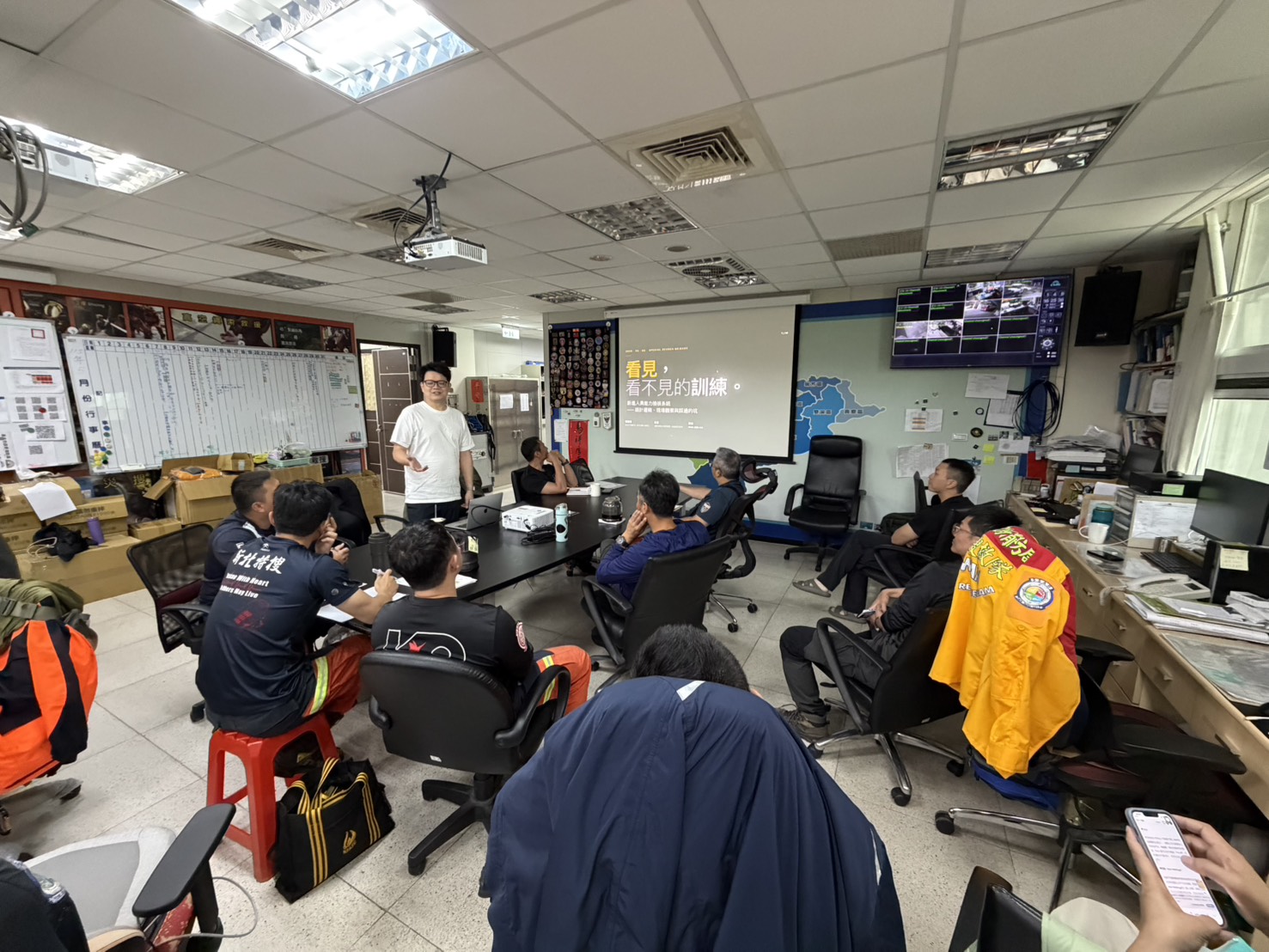
早上 10 點到 12 點,到特搜大隊分享新進人員能力檢核系統。這場分享原本是從一套數位工具出發,但現場真正引起共鳴和討論的,不只是 Google Sheets 或 Apps Script,而是每個單位都會遇到的訓練問題:我們怎麼知道一個新人真的準備好了?
新進人員的養成,常常不是沒教。第一線最辛苦的地方,反而是教了很多、看了很多、提醒了很多,但最後很難留下可以回頭討論的紀錄。很多判斷停留在師傅、教官或主管的印象裡;大家心裡知道「差不多了」或「這裡還不穩」,卻不一定能說清楚差在哪裡、不穩在哪裡。
能力檢核系統要處理的,不只是把紙本搬到線上,而是把訓練過程拆開來看:
- 哪些能力是獨立值勤前一定要確認的?
- 哪些觀察應該由師傅留下來?
- 哪些回饋應該讓學員看得懂?
- 哪些逾期、卡關或反覆出錯的地方,應該被主管看見?
- 當能力沒有長出來時,我們要先問人的問題,還是訓練流程有沒有接住風險?
現場討論之所以重要,是因為大家問的都不是抽象問題。有人在意師徒制怎麼交接,有人在意紀錄會不會變成行政負擔,有人在意主管到底要看什麼,也有人在意同一批新人能不能用同一套標準被看見。這些問題很實際,也正是訓練系統能不能落地的關鍵。
如果訓練系統離開現場,就只剩下漂亮表格。真正困難的地方,不是做出一個表單,而是讓表單承接現場本來就在發生的判斷、提醒、觀察與回饋。能力不是某一天突然出現的,它通常是很多次現場觀察、很多次被提醒、很多次做對或做錯之後,慢慢疊出來的。
如果這些過程都只留在口頭,組織就很難學習;如果全部變成僵硬打勾,現場又會覺得多了一層負擔。好的能力檢核設計,應該站在兩者中間:讓經驗有地方留下來,也讓紀錄真的能回到訓練。
把醫學教育的框架,翻譯到消防現場
這套系統背後其實不是單純的表單設計,而是把醫學教育裡已經使用多年的概念,翻譯到消防輪班與新進人員訓練現場。
第一個框架是 Miller's Pyramid。過去我們很容易只問新人「會不會」,但「會」其實不是一個單一狀態。從知道、知道怎麼做、能示範,到真實情境中能完成,中間有好幾個層次。如果只在新人點頭說懂的時候結束訓練,然後在考核時期待他能獨立完成,中間的落差就會被制度忽略。
第二個問題是自評不可靠。Dunning–Kruger Effect 提醒我們,能力不足的人不一定是在說謊,他可能是真的不知道自己還不會。這也是為什麼新進人員訓練不能只靠自評,必須設計外部觀察、現場確認與多次回饋。
第三個概念是 Workplace-Based Assessment。消防現場不是單一考官坐在教室裡評分,而是輪班、出勤、交接、不同學長與不同情境交錯在一起。這種環境下,評核不應該只靠一次考試,而要靠多位觀察者、長期累積與回到現場的紀錄。換句話說,很多小的觀察累積起來,才會形成比較可靠的能力地圖。
真正困難的不是程式,而是把現場拆清楚
這次分享中,我一直想強調一件事:技術不是最難的部分。現在用 AI 協助寫 Google Apps Script、整理表單、做介面,門檻已經比以前低很多。真正困難的是把現場 know-how 拆成可被訓練、可被觀察、可被回饋的項目。
例如一套新進人員能力清單,重點不在項目數量多寡,而在拆解方式是否足夠貼近現場。不只是列出「救護、救災、駕駛、值班業務」這些大分類,而是要拆到足以讓學長知道自己在教什麼、讓新人知道自己卡在哪裡、讓主管知道哪裡需要補強。這種拆解需要現場經驗,也需要教育設計的語言。
所以這套系統的核心不是程式碼,而是設計邏輯:如何處理標準不一致、進度不可見、貢獻不被看見;如何讓願意教的人留下紀錄;如何讓管理端看見例外,而不是被所有資料淹沒;如何在制度裡保留彈性,讓現場遇到例外時不會整套崩掉。
這也是我持續整理救護職業安全與教育設計的原因。安全不是只提醒大家小心,訓練也不是把課上完就結束。真正值得做的,是把第一線每天都在面對、但不容易被說清楚的問題,整理成可以訓練、可以評估、可以複製,也可以繼續改善的系統。
一場課如果能讓現場開始討論「我們到底怎麼確認一個人準備好了」,那它就不只是一次分享,而是訓練設計繼續往前走的起點。
如果你的單位也正在思考新進人員訓練、師徒制交接、能力檢核或救護職業安全教育設計,這類問題很適合用工作坊或專題分享的方式一起拆解。工具可以複製,但真正需要面對的,是各單位自己的現場結構。
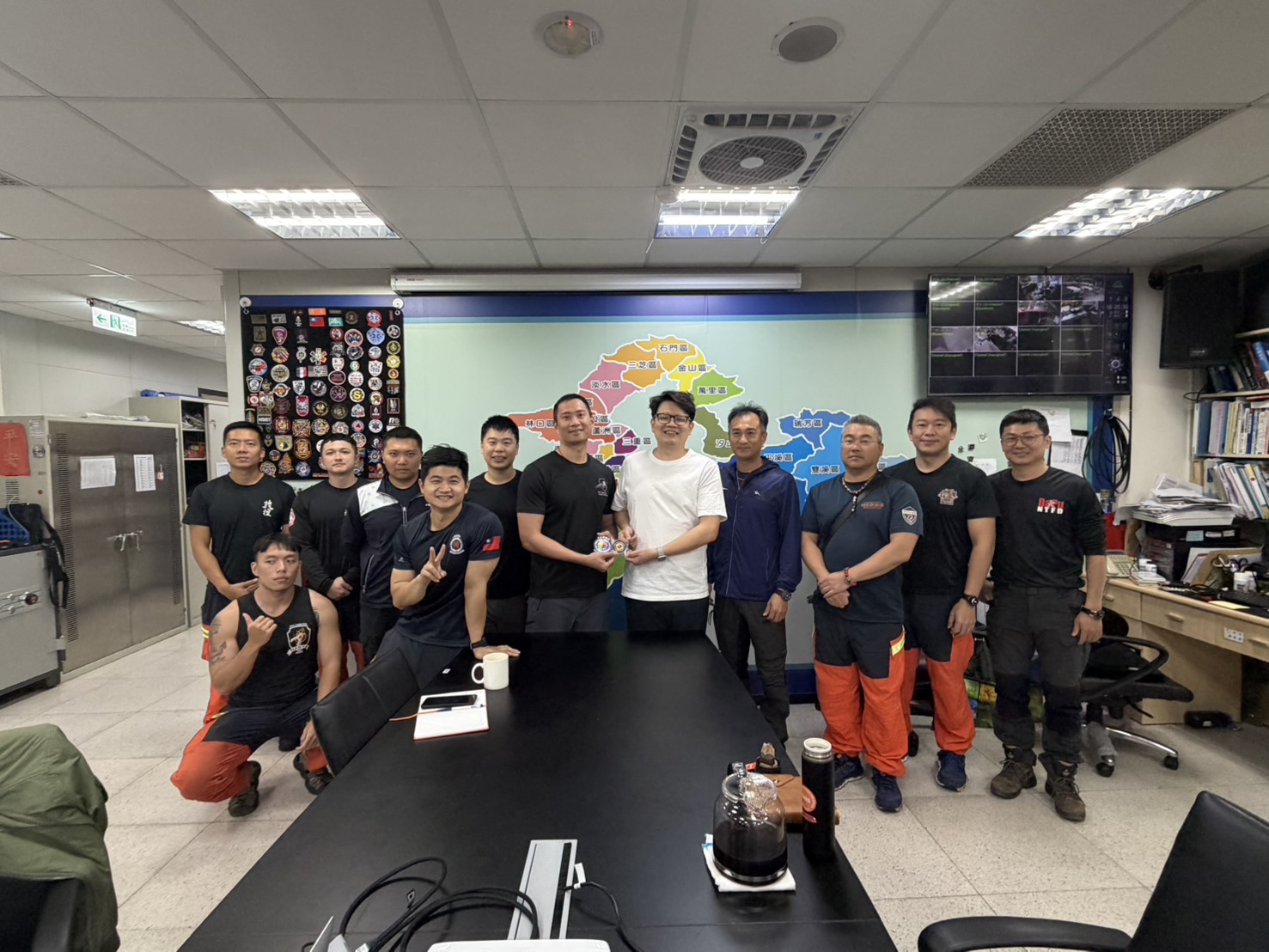
From 10 a.m. to 12 p.m. on May 6, 2026, I visited the Special Search Brigade to share a competency assessment system for new personnel. The session started with a digital tool, but the discussion that resonated most was not about Google Sheets or Apps Script. It was about a question every training unit eventually faces: how do we know when a new member is truly ready?
Training new personnel is rarely a matter of not teaching enough. In frontline work, the harder problem is that instructors, mentors, and supervisors often teach, observe, remind, and correct many times, yet much of that process remains difficult to review later. A mentor may feel that someone is "almost ready" or "still unstable," but those judgments often stay as impressions rather than becoming shared training evidence.
For me, a competency assessment system is not simply a way to move paper forms online. It is a way to break training into visible parts:
- Which competencies must be confirmed before independent duty?
- Which observations should mentors record?
- Which feedback should trainees be able to understand and act on?
- Which delays, repeated errors, or unresolved gaps should supervisors be able to see?
- When competency does not develop as expected, should we first blame the person, or examine whether the training process is catching the risk?
The discussion mattered because the questions were practical. Participants asked about mentor handovers, documentation burden, what supervisors actually need to see, and whether a group of new members can be evaluated through a shared standard. These are the real questions that determine whether a training system can work outside a slide deck.
If a training system is detached from the field, it becomes only a polished form. The difficult work is to let the form carry the judgments, reminders, observations, and feedback already happening in practice. Competence does not appear suddenly on a single day. It is built through repeated observation, correction, successful performance, mistakes, and follow-up.
If all of that remains verbal, the organization cannot learn from it. If everything becomes rigid checkboxes, the field experiences it as another administrative burden. A good competency assessment design should sit between the two: it should give experience a place to be recorded, and make the record useful for training.
Translating Medical Education Into the Fire Service Context
The system was not only a form design project. It was an attempt to translate mature concepts from medical education into the realities of fire service shift work and new personnel training.
The first framework was Miller's Pyramid. In training, we often ask whether someone "can do it," but competence is not a single state. Knowing, knowing how, showing how, and performing in real situations are different levels. If training ends when a trainee nods and says they understand, but the final expectation is independent performance, the intermediate levels are left unverified.
The second issue is that self-assessment is unreliable. The Dunning-Kruger effect reminds us that people with limited competence may not be lying when they overestimate themselves. They may not yet have the ability to judge their own gaps. This is why new personnel training needs external observation, workplace confirmation, and repeated feedback.
The third concept is Workplace-Based Assessment. Fire service training does not happen with a single examiner in a classroom. It happens across shifts, calls, handovers, different mentors, and different real-world situations. In that environment, assessment should not rely only on one exam. It needs multiple observers, longitudinal accumulation, and records that return to the workplace. Many small observations, when accumulated, can form a more reliable map of competence.
The Hard Part Is Not Code
One point I emphasized in the session was that technology is not the hardest part. With AI assistance, writing Google Apps Script, creating forms, and building interfaces is much more accessible than before. The harder work is breaking frontline know-how into items that can be trained, observed, discussed, and improved.
A competency list is not about having an impressive number of items. The key is whether the decomposition is close enough to the actual work. It is not simply a list of broad domains such as EMS, rescue, driving, or station duties. It must be specific enough for mentors to know what they are teaching, for trainees to understand where they are stuck, and for supervisors to see where support is needed. That kind of decomposition requires field experience and a language for education design.
The core of the system is therefore not code. It is design logic: how to address inconsistent standards, invisible progress, and invisible teaching contributions; how to leave a record for those who are willing to teach; how to help supervisors see exceptions instead of drowning in data; and how to keep enough flexibility so the system does not collapse when reality creates exceptions.
This is why I continue to organize my work around EMS Safety and education design. Safety is not only about reminding people to be careful, and training is not finished when a class ends. The work worth doing is to take problems that frontline teams face every day, but often cannot easily name, and turn them into systems that can be trained, assessed, repeated, and improved.
If one session can help a team start asking, "How do we actually know someone is ready?", then it is not just a talk. It becomes a starting point for better training design.
If your unit is also thinking about new personnel training, mentor handovers, competency assessment, or EMS Safety education design, these questions are well suited for a workshop or focused training session. The tools can be copied, but the real work is to examine each unit's own operating structure.